
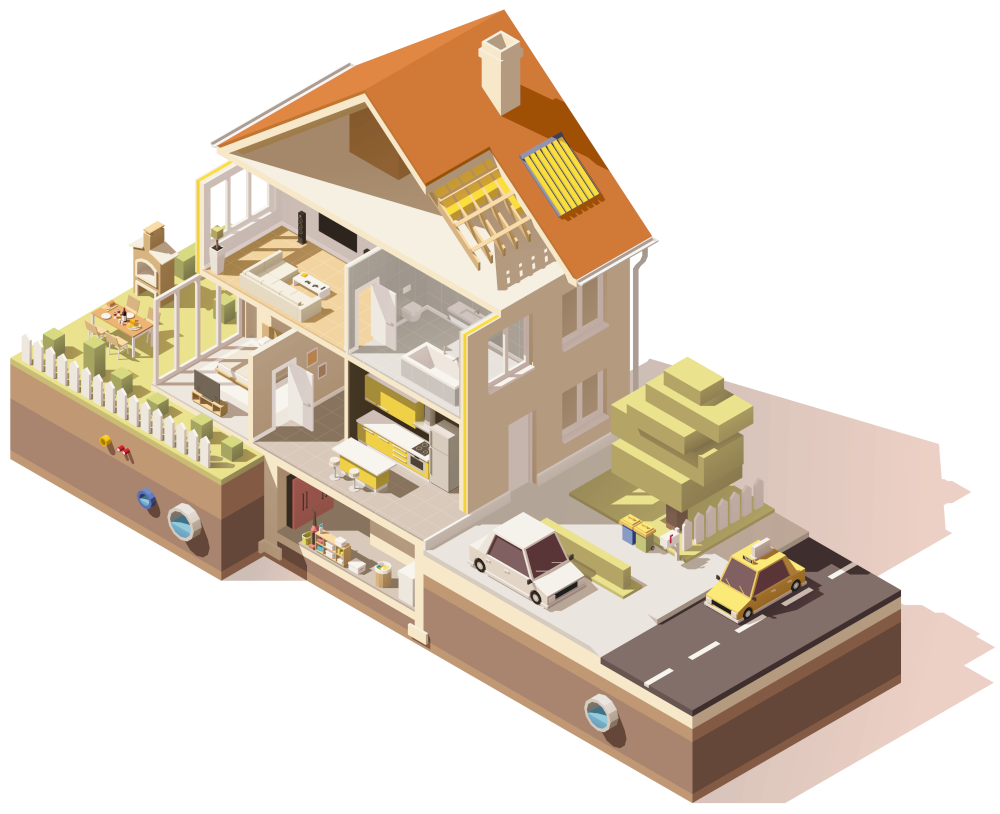

Inspection Process

What Does the Home Inspection Process Look Like?

1

Schedule Your Home Inspection

Schedule an inspection online and wait for your confirmation email.

2

Meet Your Home Inspector

Your inspection will be performed by a Certified Professional Inspector.

3

Review Your Home Inspection Report

We will send your report within 24 hours of the inspection.

An inspection report presents 10 distinct home systems with components under each system. Licensed contractors specialize in these specific systems while Inspectors are licensed generalists with general knowledge of all the systems. A broad knowledge base enables inspectors to discover, report, and refer the appropriate specialist if one is needed. To fully understand what is and is not inspected, you may want to read the Standards of Practice set by the state of Oregon.

In summary, the Oregon standards require a visual-only report, meaning the inspector does not move objects in the home, probe, or disassemble anything not intended to be readily accessed. An inspection is not a home warranty or insurance policy, but is intended to report problems of material significance at the time of inspection. The reporting objective is to provide information that will help you make a wise purchase. A Rausch inspection will clearly and concisely tell you if each of the systems and their components are in satisfactory condition.

I carefully examine roofs, make my way through crawl spaces, and observe structural components to create a photo-rich report of areas not normally seen. I use an industry-leading report software called HomeGauge to describe and report on plumbing, ventilation, duct-work, insulation, electricity, and structural components throughout the home and condense the report into a summary listing safety issues, deferred costs, repair items, and items to monitor. The software allows the buyer and realtor to easily select issues in the home to help create a request of seller report. Review a sample report to see how information about your home will be investigated and concisely presented. I look forward to providing you a similar report so you can make that final offer with confidence!

5 Benefits of a Home Inspection

Negotiations Leveraged

Buyers can use the inspection report to negotiate a better price or ask for repairs, while sellers can choose to address issues before listing to justify their asking price.

Ensures Your Safety

A home inspection evaluates critical safety concerns such as electrical hazards, carbon monoxide risks, mold, and structural integrity.

Prepares You For the Future

We can point out components near the end of their lifespan (such as HVAC systems or water heaters) so you can budget accordingly.

Garners Trust

Sellers who conduct pre-listing inspections can show transparency and build buyer trust, potentially leading to quicker offers and smoother negotiations.

Grants Peace of Mind

Knowing the condition of the home helps you feel confident in your purchase or sale and reduces surprises after the transaction.

What's Included in a Home Inspection?

Roof

Roof coverings, gutters, downspouts, vents, flashing, skylights, chimney, roof penetrations and the general structure of the roof.
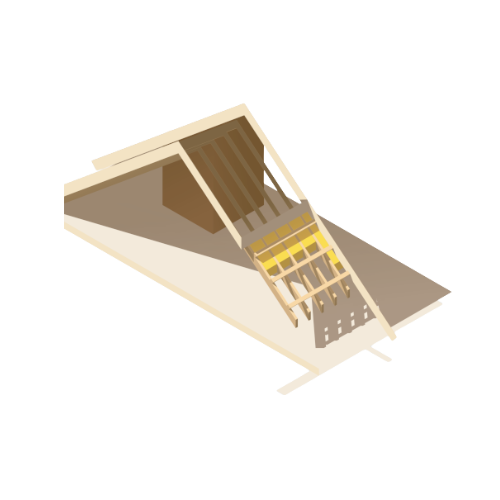
Attic, Insulation, Ventilation

Insulation and ventilation of unfinished spaces, including attics, crawl spaces, foundation areas and exhaust systems.
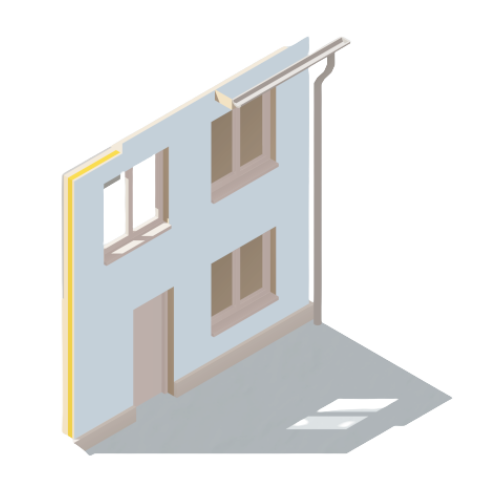
Exterior

Siding, windows, exterior doors, flashing & trim, walkways, driveways, stairs, patios & decks, and drainage.
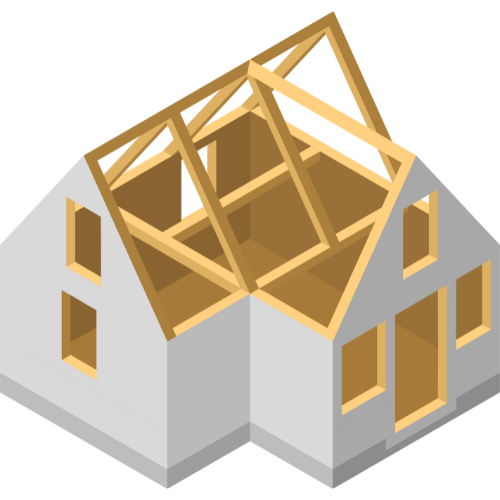
Basement, Foundation, Crawlspace, Structure

Foundation movement, cracks, structural concerns, and indication of water penetration.

Cooling

Cooling system, location of thermostat, energy source and cooling method.
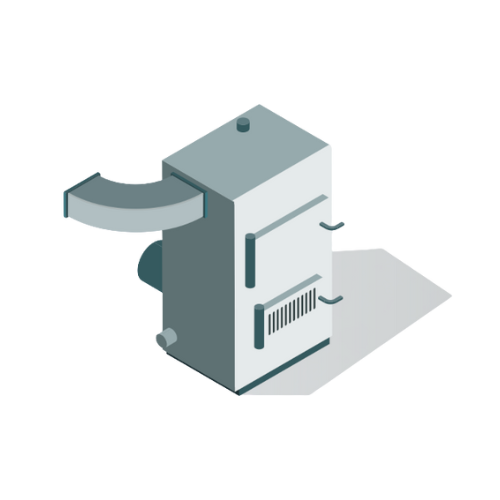
Heating

Heating system, location of thermostat, energy source and heating method.
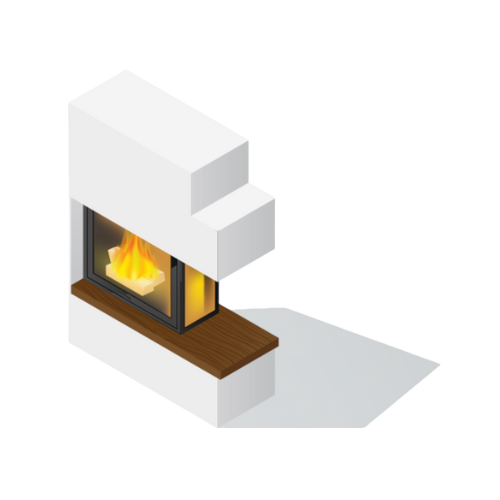
Fireplace

Visible portions of the fireplace & chimneys, lintels, damper doors, and cleanout doors & frames.
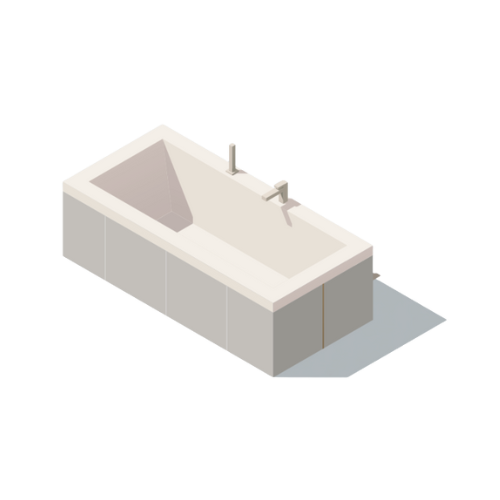
Plumbing

Main water & fuel supply shut-off valves, water heater, interior water supply, toilets, sinks, tubs, showers, drain, waste and vent systems.
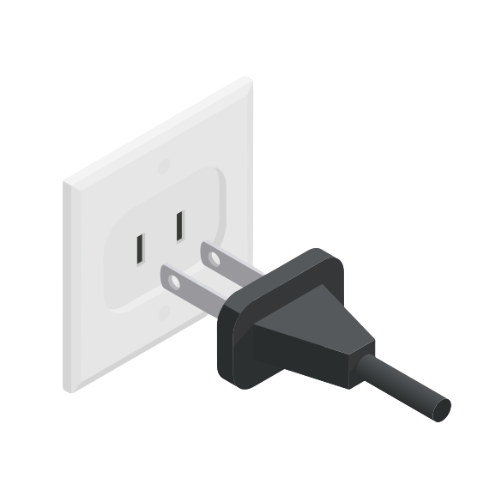
Electrical

Service drop, overhead service conductors, service head & mast, main service disconnect, panelboards, grounding, switches, light fixtures, receptacles deemed to be AFCI & GFCI, and the presence of smoke alarms & carbon monoxide detectors.
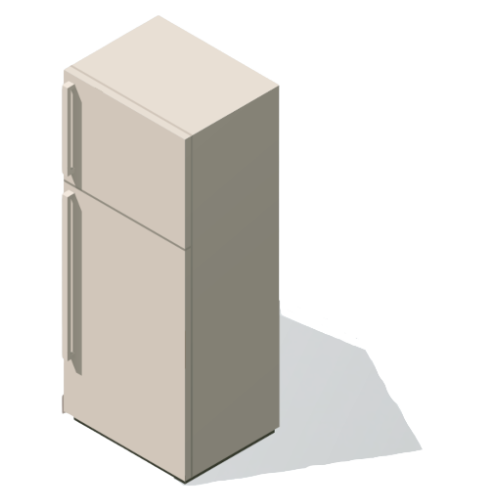
Appliances

Dishwasher, disposal, range, oven, microwave, refrigerator, exhaust, bathroom heater, garage door, doorbell, and dryer vent
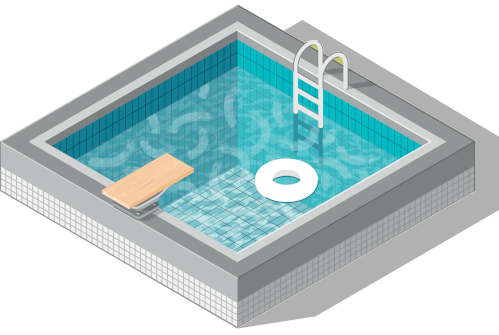
Pool

Circulation, heating, filtering, electrical, water chemistry, and possible safety issues.

Doors, Windows, Interior

Representative number of doors & windows, floors, walls, ceilings, stairs, railings, garage door and openers.

© Copyright 2026 Spectora Inc.